
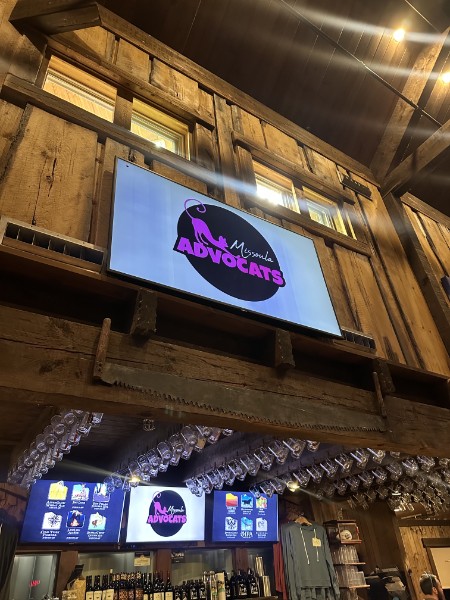
Turkey Chili, Heavy Schedules, and the Heart of Rescue
Around here, a quiet evening usually lasts about ten minutes before life intervenes, but when you invite independent cat rescuers over for dinner, “quiet” isn’t even on the menu.
The other evening, my friend Molly Stocker and I set the table for a casual bowl of turkey chili with two women who routinely pull off the impossible: Tasha Bradshaw and Alice Judd, the founders of Missoula Advocats.
Getting both of them in the same room without a cat carrier in tow is a logistical miracle in itself. Tasha works a demanding full-time job, and Alice balances the daily devotion of caring for her 95-year-old mother.
Yet, tucked between timecards, caregiving routines, medication schedules, and the relentless needs of their current rescues, they somehow carved out an hour to sit down, catch their breath, and pass the toppings.
Missoula has its share of established safety nets, from municipal animal control to AniMeals and the Humane Society. But when community capacity stretches thin and the emergencies are messy, off-hours, or hiding under someone’s porch, it’s Alice and Tasha who step into the gap.
Over steaming bowls of chili, we got an unfiltered look at what it really takes to run a boots-on-the-ground rescue on pure grit, micro-grants, and donations.
The Unsung Gap-Fillers: Where the Safety Net Ends and Advocats Begin
Missoula has a passionate animal-loving community, but understanding how everyone fits together is the key to seeing why independent rescue is so vital. Over bowls of chili, we mapped out the local ecosystem:
- The Municipal & Established Safety Nets: Agencies like Animal Control handle city and county ordinances, while established organizations like AniMeals and the Humane Society of Western Montana provide shelter housing, adoptions, low-cost clinics, and emergency food banks. They shoulder massive caseloads and do vital work, but they also operate with physical space limits, specific intake guidelines, and standard facility hours.
- The Crack in the Floorboards: When regional intake reaches absolute max capacity, or a call comes in at 9:00 PM on a Sunday about an unweaned litter exposed to freezing weather, the standard system can hit a wall. Feral colonies, complex field trapping, and high-maintenance medical cases don’t watch the clock or pause for full kennels.
- The Advocats Angle: This is where Tasha and Alice operate. They are the agile, scrappy troubleshooters who answer the calls that fall into the blind spots. With no dedicated municipal tax support or sprawling campus, Missoula Advocats relies entirely on micro-grants, public donations, and foster setups. They take on the painstaking, boots-on-the-ground work—one tricky trap, one midnight bottle-feeding, and one veterinary emergency at a time.
Chili, Humor, and the Cold Reality of Rescue
My connection with Tasha and Alice goes back a couple of years to when I fostered for Missoula Advocats over a summer. Once you’ve stepped into their orbit, you never quite look at the local cat population the same way. Over dinner, I was eager to hear how things had progressed since my fostering days—and what they pulled up on their phones stopped us in our tracks.
Passing photos across the table between spoonfuls of chili, they walked Molly and me through the frontline scenes most people never see. The scale of the need is staggering:
- The Colony Crisis: They showed us snapshots of uncontrolled colonies running rampant across western Montana. One site alone had ballooned to 40 cats breeding unchecked.
- Survival on Scraps: Another photo thread showed a rural colony surviving almost entirely on human food scraps left out in the elements—half-eaten takeout and discarded table scraps—leaving the cats malnourished and desperate for proper nutrition and care.
- The Ground Reality: Most of their humane trapping takes place in low-income neighborhoods and forgotten pockets of the community where families simply lack the resources, transport, or funds for spay/neuter services, letting small issues snowball into overwhelming crises.
- The Jaw-Dropping Tally: In just the last two years alone, operating out of their own vehicles and spare rooms without a dedicated shelter facility, Alice and Tasha have trapped, vetted, rehabilitated, and rescued over 600 cats and kittens.


Seeing the numbers and the photos makes you realize the sheer weight of what they carry. Six hundred lives saved doesn’t happen with passive effort; it happens when two determined women refuse to look the other way, one trap and one exhausted late-night run at a time.

From Junkyard to Gentle Soul: The Story of Hammond
If you want to understand the true impact of Missoula Advocats’ work, you don’t have to look at spreadsheets—you just have to look at Hammond.
Tasha and Alice pulled him out of a local junkyard along with several other cats in horrific condition. When they brought him to me, he was in truly terrible shape. Thick, black industrial motor oil was ground deep into his paw pads, and his ears were packed solid with filthy grime and debris.

Molly came over to help me tackle the cleanup, working painstakingly through the mess to gently flush out his ears and soak the heavy grease from his paws. Because of the severity of his condition, Hammond had to spend a long recovery period resting in an isolation cage where he could heal safely without infection.
At his first veterinary appointment with me, he needed a regimen of antibiotics and cortisone injections to calm the systemic inflammation. Terrified of the carrier, the car, and the sterile room, he didn’t lash out or try to hide under a bench. Instead, he wrapped his paws around me and buried his face into my shoulder, clinging with everything he had, afraid to let go.
In that moment, the junkyard cat disappeared, and the vulnerable soul beneath finally felt safe.

Naturally, foster-failing was inevitable—I adopted him the moment he recovered.

Today, Hammond is completely unrecognizable from the battered stray pulled from the scrap heap. He has blossomed into a glorious ball of fluff who proudly fetches toy mice and shows off his pinpoint athletic coordination by snapping treats right out of midair with his mouth.
Stories like Hammond’s aren’t the exception for Alice and Tasha—they are the routine. He survived because they were willing to crawl through grease and scrap metal to find him, and because a network of fosters, veterinary care, and supporters stood ready to do the slow, unglamorous work of healing him.
The Village Behind the Mission
Pulling off numbers on this scale isn’t done in a vacuum; it takes an entire behind-the-scenes village working in sync. Medical care is consistently the heaviest financial mountain to climb, and Advocats relies heavily on generous local veterinary partners who step up to offer discounted care and spay/neuter services.
Whenever low-cost spay and neuter clinics or regional spay fairs pop up, Alice and Tasha mobilize fast, loading up traps and crates so dozens of cats can be altered, vaccinated, and treated at rates an independent non-profit can actually manage.
None of those clinic runs would be possible without the unsung network of local volunteers who step in to bridge the logistical gaps—folks who give up their Saturday mornings to drive transport runs across the valley, coordinate supply drops, or open their spare rooms and bathrooms for temporary foster recovery while surgical incisions heal.
It is a massive, moving jigsaw puzzle powered by people who simply care enough to pitch in their time and wheels.

The Work Never Stops: Gratitude for the Long Haul
When dinner wrapped up and the chili pot was scraped clean, Alice and Tasha weren’t heading home to put their feet up. Their “evening off” was over. They packed up and drove straight across town to PetSmart to scrub adoption cages, lay down fresh bedding, and spend quality time with the cats currently waiting for forever families.
The cats in retail adoption spaces are only a fraction of their caseload. They keep an ongoing photo binder filled with the rescues quietly tucked away in foster care—a vivid catalog of animals whose road to wellness isn’t straightforward:
- Special Medical Needs: The binder is packed with cats living full, comfortable lives in foster homes while managing chronic health conditions, from daily insulin regimens for feline diabetes to coordinated care for “wobbly cats” navigating cerebellar hypoplasia.

- Working with the Wild: For the true ferals who would never tolerate life indoors, Advocats practices responsible TNR (Trap-Neuter-Return). These cats are trapped, altered, vaccinated, ear-tipped, and returned to safely monitored colonies to live out their lives without reproducing.

Watching their taillights pull away into the evening, the overwhelming feeling left in the room was pure gratitude. It’s easy to look at local animal welfare numbers and forget that behind every successful trap, every healed wound, and every spotless adoption crate are individual people sacrificing their spare hours, energy, and resources.
Alice and Tasha don’t do this work for applause, but they deserve every ounce of community praise, gratitude, and tangible support we can muster. Independent rescuers like Missoula Advocats are the glue holding the fragile margins of our animal network together.
The next time you see their donation box, spot a fundraiser flyer, or hear about a medical grant match, think of grease-stained junkyard survivors like Hammond, the wobbly foster kitties finding their footing, and the two dedicated women who never hesitate to answer the call.
The Power of Home Adoptions
One of the most thoughtful and effective approaches Missoula Advocats takes is leaning into in-home adoptions.
While shelter cages and retail habitat spaces serve a purpose, they rarely show off a cat’s authentic personality—stress, strange smells, and fluorescent lights can make even the most outgoing cat shut down.
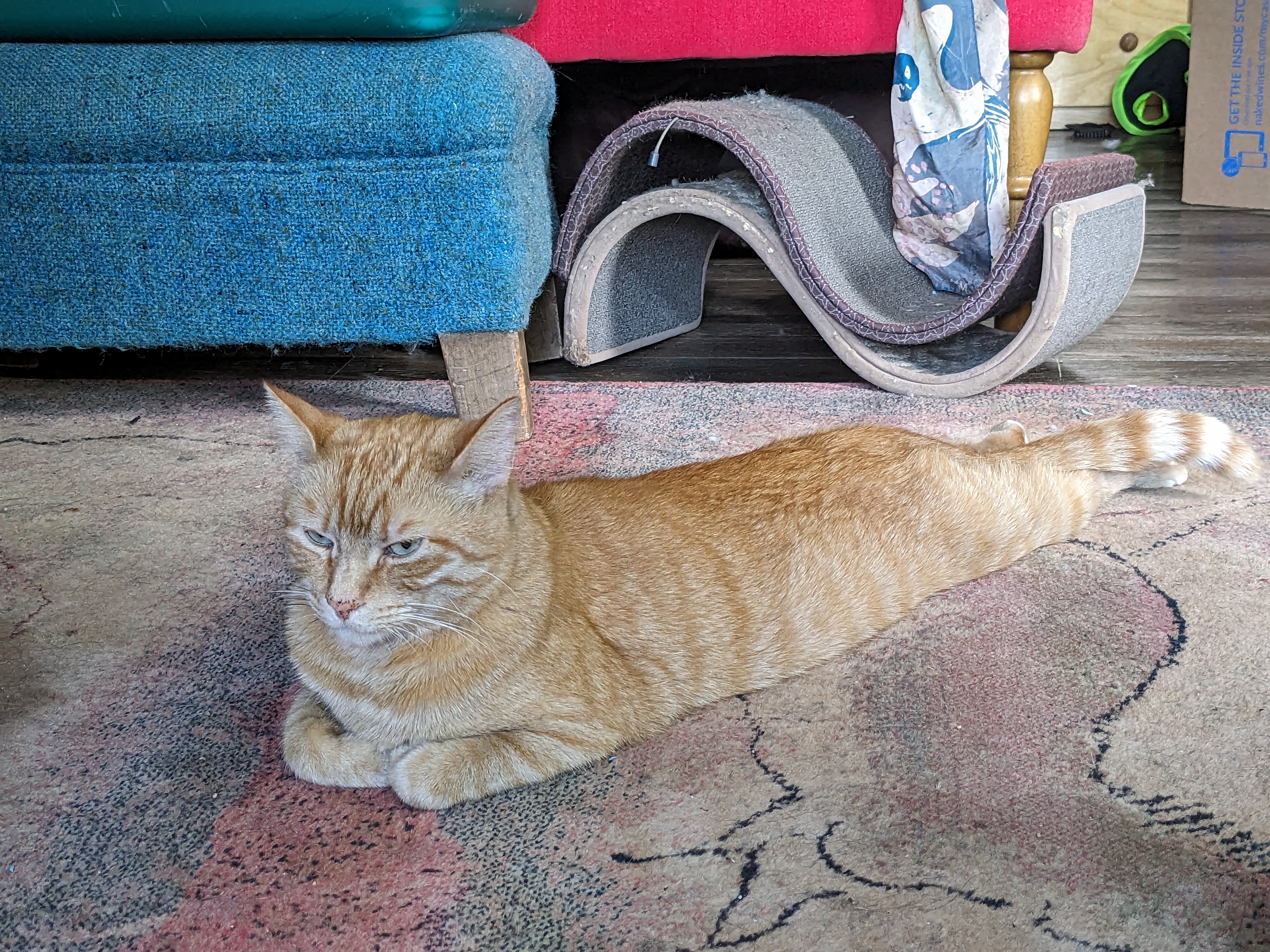
Because many of Advocats’ rescues live in real homes with volunteer foster families, prospective adopters get a completely different experience. Potential adopters can schedule a visit and meet a cat where they are comfortable, sprawled out on a living room rug or snoozing on a sunny windowsill.
You get to see their quirks, how they interact with other pets, their real energy levels, and how they handle everyday household sounds like blenders and doorbells.
It removes the guesswork and creates matches based on who the cat truly is, resulting in smoother transitions and happier forever homes for everyone involved.
How You Can Help
Independent rescue doesn’t happen without a community standing behind it. Whether it’s covering a life-saving antibiotic course, funding a spay surgery, or giving a few hours on a weekend to transport crates, every single contribution keeps Alice and Tasha answering the calls no one else can take.

Use your phone’s camera to scan the code above (or click MissoulaAdvocats.org) to:
- Make a direct donation toward urgent medical care and emergency colony rescues
- Sign up to foster and give a recovering cat a quiet, loving space to heal
- Volunteer your time or wheels for transport runs, clinic days, or adoption events
- View currently adoptable cats and find your next family member
Even a few dollars or a shared post helps ensure that when the next cat is left behind in the cold, Missoula Advocats is ready to pick up the phone.


Leave a Reply