

The Reality of Wildfire Season With The Herd
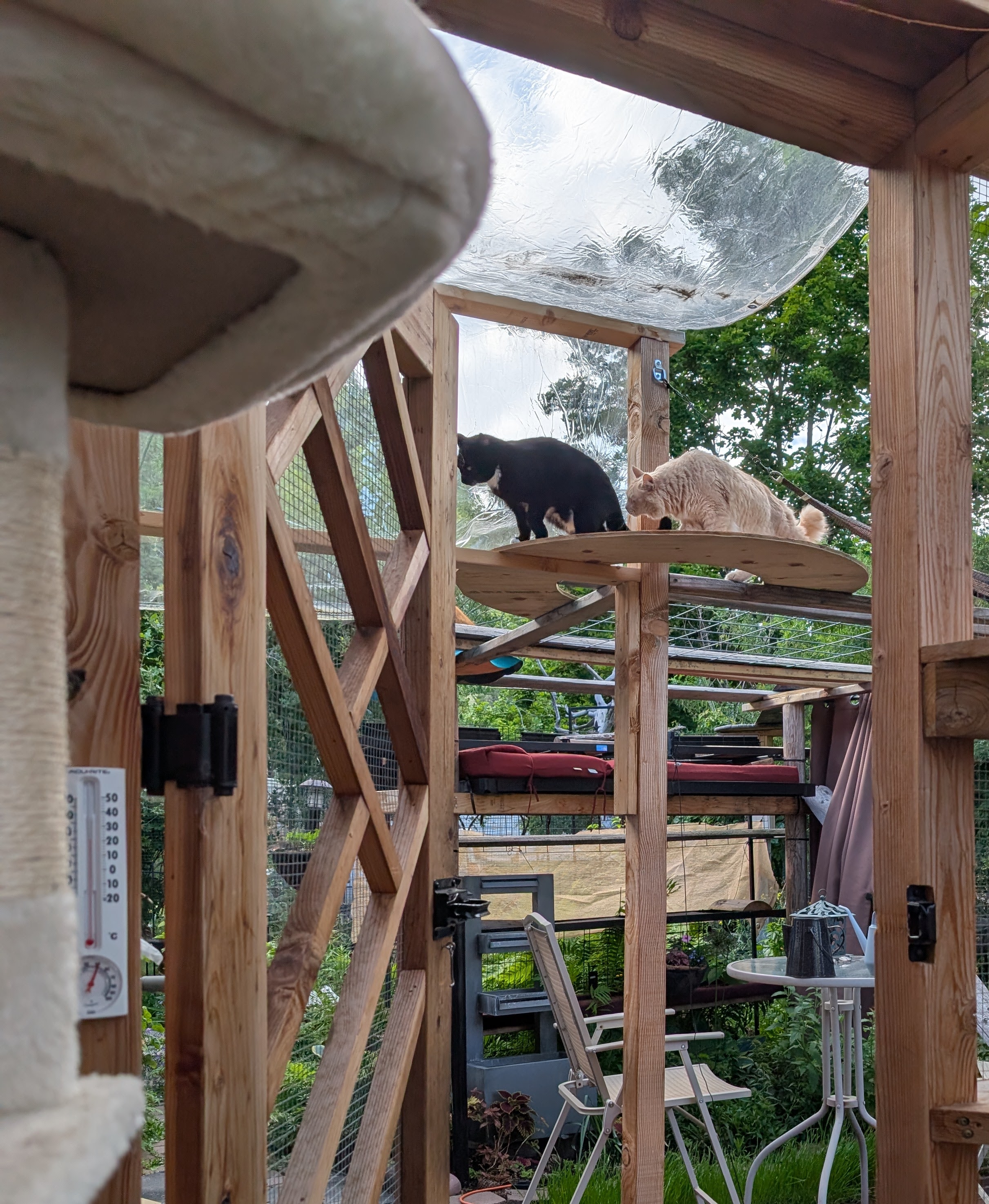
It’s that time of year again—hot, dry, and thick with smoke. We recently sat through more than two weeks of terrible air quality, thanks to an inversion that trapped a heavy blanket of smoke right over the valley. (My earlier post, Homebound With Cats, describe our home base.)
Rain finally rolled in to clear the skies a bit, but around here, a rainstorm doesn’t mean you’re out of the woods. Live in a wildfire-prone area long enough, and you learn that clear skies are often just a brief pause.
The longer that smoke lingered, the more one thought kept looping in my head: if the call comes, how fast can I actually get everyone out?
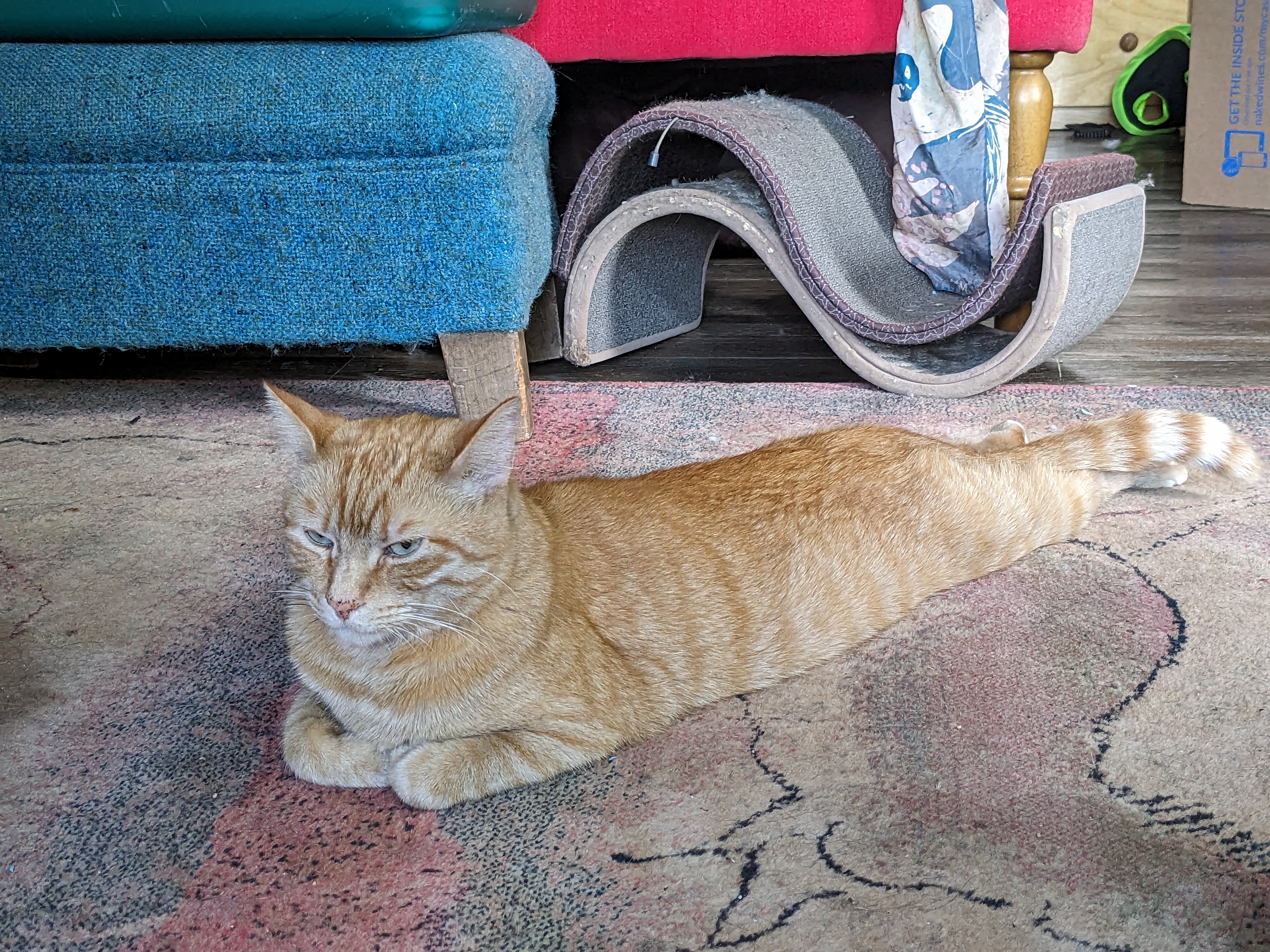
Let’s be real for a second: I have 12 cats. Twelve. I do not recommend this to anyone. It’s a full-time logistical puzzle on a normal day, but when wildfire threat enters the equation, it shifts from managing a household to coordinating a full-scale tactical operation.
They didn’t ask to live in a pack, and they certainly don’t know what a red flag warning means. It is 100% my responsibility to ensure that if we have to leave, we all leave safely, calmly, and quickly.
If you’re managing a big multi-pet family—or even just trying to streamline a multi-cat routine—you know standard disaster advice doesn’t always apply.
Here is how I plan, stage, and prepare to evacuate my entire herd without losing my mind (or a cat) in the process.
The Carrier Setup: Hallway Staging Before the Warning Sounds
When you’re prepping for a potential scramble, carrier logistics are everything. In a normal month, I keep a few carriers on the main floor for routine vet trips, but routine setups don’t cut it for a full-herd exit.
The rest of my gear—a stack of hardshell carriers and a larger crate that fits four—stays stored down in the basement, while a couple of foldable carriers live permanently in the back of my SUV.
As soon as the smoke settled in, I didn’t wait around for an official alert. I hauled all the hardshell carriers up from the basement and staged them right in the hallway near the front door.
Having them accessible is only half the battle, though; they also need to be ready to go. I spent an afternoon cleaning every single one, lining the bottoms with disposable pee pads overlaid with soft, old kitchen towels for comfort.
I also went over each unit with a critical eye, checking that the assembly screws were tight, the latches were solid, and the doors swung smooth and locked tight.

When seconds count, you cannot afford to be hunting down in the basement, fighting with a stuck latch, or wiping down dusty crates. Setting them up right in the main hallway means the heavy lifting is done before the warning ever sounds.

The Vehicle Dry-Run: Tetris, Airflow, and Comfort
Having your gear staged inside is great, but knowing whether it actually fits in your vehicle is where the plan meets reality. Before any real threat looms, I do a complete trial run with the SUV.
I hauled the staged hardshell carriers, the large crate, and the empty “Go-Bins”—one packed for the cats and one for my own essential supplies—out to the vehicle to test the layout. A dry-run gives you answers to critical questions before you’re doing it under stress:
- Spatial Tetris & Airflow: Can all the carriers and bins fit without blocking your rear view? Stacking crates is necessary with a large group, but every carrier’s ventilation grates must remain completely unobstructed so AC and fresh air circulate freely.
- Surface Protection & Comfort: I lay down a thick foam mattress across the back cargo space, topped with a large washable pee blanket. This creates a cushioned, non-slip base that absorbs road vibration, protects the vehicle, and keeps carriers from sliding.
- Sleeping Room for the Driver: We could be on the road for extended periods or waiting out traffic in a safe zone, which means I might need to rest right alongside the crew. At 5’11”, I have to pack intentionally so there’s clear space reserved on that mattress to stretch out my frame next to the carriers without squishing anyone’s airflow.

Taking thirty minutes to physically test the layout proves that everything fits safely while keeping both the herd—and their driver—comfortable for the long haul.
Strategic Cat Carrier Assignment
When you have 12 distinct personalities, you can’t just toss cats into whichever crate is closest. Staging the carriers is step one; knowing exactly who goes where is what keeps the loading process fast and meltdown-free.
I assign each cat to a specific carrier based on their size, temperament, and bond with others:
- The Large Crate (The Bonded Group): The four-cat cage is reserved for my tightest crew. Grouping them together not only saves precious vehicle space, but their familiar presence keeps their collective anxiety down.
- Hardshell Carriers (The Solo & Sensitive Crew): Strong, rigid hardshells are assigned to cats who get nervous, need extra structural protection, or prefer their own personal space. They offer security, are easy to wipe down, and stack securely in the vehicle.
- Foldable & Main-Floor Carriers (The Easy Movers): The lightweight and flexible carriers go to my most easygoing cats—the ones who don’t fight being loaded and handle transitions smoothly.
Pro Tip for the Loading Order: Load your most elusive or anxious cats first before the commotion starts. Once the first few carriers start closing, the rest of the herd will know something is up!
The Herd Go-Bin
Once the carriers were prepped, I turned my attention to our supply kit—the “Go-Bin.” When you’re evacuating a large group, grabbing random bags at the last minute is a recipe for chaos. Everything needs to be pre-packed, centralized, and easy to sling into the back of the SUV alongside the crates.
Here is what goes into our emergency kit:
- Food & Feeding: Regular cat food, Kenji’s special diet food, pop-up silicone bowls for water and a supply of paper bowls so feeding is quick, hygienic, and hassle-free without requiring dishwashing.
- Health & First Aid: A pet first aid kit stocked with essentials for minor injuries, tick/splinter removal, wound care, and any necessary medications.
- Sanitation & Clean-Up: A roll of paper towels, washable rags, extra disposable pee pads, disinfecting wipes, and a stash of grocery bags for quick trash disposal.
- Grooming, Comfort & Morale: A grooming brush to help soothe stressed cats, waterless cat shampoo for quick cleanups, a fleece blanket, a pillow, and a fun stash of toys, catnip, and cat treats to lower anxiety and keep morale high.

Having this bin loaded and sitting right by the staged carriers means that if we get the order to leave, I’m not running around gathering supplies. It’s all in one place, ready to load.
Water & Roadside Sanitation: Hydration, Ventilation, and Litter Systems
Managing water, air quality, and litter for 12 cats on the road requires a distinct setup separate from your main gear. Water needs to be secure, litter arrangements must be quick to deploy, and safe vehicle ventilation is essential during hot, smoky days.
Here is how we handle hydration, airflow, and sanitation:
- Hydration Reserve: Three 1-gallon milk jugs filled with fresh water. Storing water in heavy-duty jugs ensures a multi-day supply for drinking, moistening food, or quick cleanups without relying on immediate tap access.
- Disposable Litter Boxes & Scoop: Heavy-duty rectangular foil roasting pans with lids serve as lightweight, disposable litter boxes. I keep a cat litter scooper sealed inside a large Ziploc bag—keeping it clean, contained, and easy to pack without contaminating other gear between spot-cleans.
- Litter & Quick Disposal: A bag of fresh cat litter sits alongside the foil pans. When a pan needs total replacement, you pop the lid on, seal it inside a heavy-duty trash bag, and dispose of it with zero mess.
- Car Window Mesh Screens: Packing stretchable mesh window screens for the SUV is a total game-changer. They pull over the door frames so you can roll down the windows for fresh airflow while parked, keeping the cabin cool and ventilated without risking a single cat escaping through an open window.

Optional Gear: The Roof Cargo Topper Advantage
When your cabin space is completely dedicated to carriers, crates, and keeping your cats safe and comfortable, overflow storage becomes essential. This is where a roof-mounted cargo topper earns its keep.
- Foldable Pet Stroller: Stashing a collapsible pet stroller in the cargo topper gives you mobility options at your destination without taking up an inch of precious cabin or mattress space. Whether moving multiple carriers into a hotel room or taking a stressed cat out for a safe, enclosed breather at a rest stop, it’s a massive convenience.
- Non-Essential Gear: Extra blankets, bulky emergency supplies, or long-term camping gear can all ride up top, preserving maximum airflow and stretch-out space for you and the herd inside the SUV.
Vital Details & Safety Extras: Microchips, Tech, and Rapid-Response Gear
When evacuating a large herd, physical gear is only half the battle—having vital information organized and quick-access equipment ready can make all the difference in an emergency.
- Digital Records & Smart911: Keep all microchip numbers, vaccination records, and vet contact details stored directly on your phone for instant access. It’s also crucial to keep your local Smart911 profile fully updated with your current pet count so first responders know exactly who is in the house if emergency services are ever called to your property.
- Temporary Identification: Placing collar straps with visible rabies and ID tags on every cat for the duration of the trip provides immediate, visual proof of vaccination and ownership if you are stopped or need temporary shelter assistance.
- Cold Storage: A small, dedicated cooler is essential for keeping specialized medications—like Kenji’s insulin—at a stable, safe temperature alongside cool drinks for the driver.
- The “Transition” Cat Backpack: A foldable cat backpack serves as a temporary, secure holding space for a single cat whenever you need to clean out a dirty carrier or re-layer pee pads on the road without risking an escape.
Lessons Learned from the Dry-Run
Taking the time to run through this physical test was a game-changer for my peace of mind. Turning that underlying “what if” anxiety into a concrete, tested plan made me realize just how much more complex this was than I originally thought. Going through the physical trial run—testing the layout in the SUV, figuring out proper airflow, ensuring there was room for my 5’11” frame to stretch out, and organizing the supply bins—revealed those tiny, critical logistical details you simply can’t predict on paper.
After considering everything this dry-run taught me, I’m changing my routine permanently: the large crate and the hardshell carriers will stay on the main floor year-round. When carriers only appear right before a stressful event, cats quickly learn to associate them with chaos, vet visits, or sudden upheaval. By leaving them out as regular, open fixtures in our living space with soft towels inside, my hope is the herd will get used to them being constantly there—transforming them from scary transport boxes into everyday nap spots. That way, if an actual emergency order ever comes down, I won’t be fighting the herd to get them inside—half of them might already be sleeping in them.
What happens next once we are actually evacuated will remain a bit of a mystery for now. But as a former world traveler and an experienced car camper, I imagine we would simply load up, point the SUV south, and take it one mile at a time.
Leave a Reply